A lot of property owners rarely plan to spend time on wood fence installation until the moment when something pushes them. A gate no longer lines up. A dog keeps slipping through. Or maybe the space feels too exposed in a way it did not before.
At that point, installing a wood fence stops being abstract. It turns into a practical project with choices that affect how the yard works for years.
What People Often Mean When They Search Installing a Wood Fence
Most people are not asking how to build a fence from scratch. They usually want clarity on how installation actually works. How much time it involves. What can go wrong. And if wood still makes sense for their property.
https://fence-installation.timeforchangecounselling.com/property-options-amp-materials-for-professional-installationWood fence installation is not complicated, but it is affected to site conditions. Soil type. Grade. Drainage. Those small details matter more than most people expect.
Before Installation: What Makes the Difference
The easiest way to think about it is to start with the ground. Wood fencing rely on posts. If the posts are off, the rest follows.
One quick observation. Very few yards are truly level when you actually measure. What seems flat from the porch often slopes more than people assume.
Site Details to Check First
- Soil type and how it holds water. Slope and grade changes. Property lines and local requirements.
Skipping this step is where problems start. Leaning posts. Crooked sections. Early rot. Those issues often trace back to preparation.
Setting Posts: Where Wood Fences Win or Lose
Post installation is the foundation of any wood fence. Post depth matters a lot. So does spacing.

What surprised me was how often posts need adjustment after they are placed. Soil settles. Water shifts. A post that looked perfect at first may not stay perfect after some time.
Common Post Mistakes to Avoid
- Not digging deep enough. Skipping gravel or drainage. Not checking alignment carefully.
Taking time here prevents bigger fixes later. That is not theory.
Rails and Boards: How the Fence Takes Shape
Once posts are solid, the rest feels easier. Rails connect everything. Panels or pickets create the appearance.
Here is what tends to happen. Small inconsistencies become noticeable. A slight slope multiplies across sections.
A practical approach is to follow the ground instead of fighting it. Perfectly straight fences can look awkward on uneven land.
Wood Selection: Installation Impacts
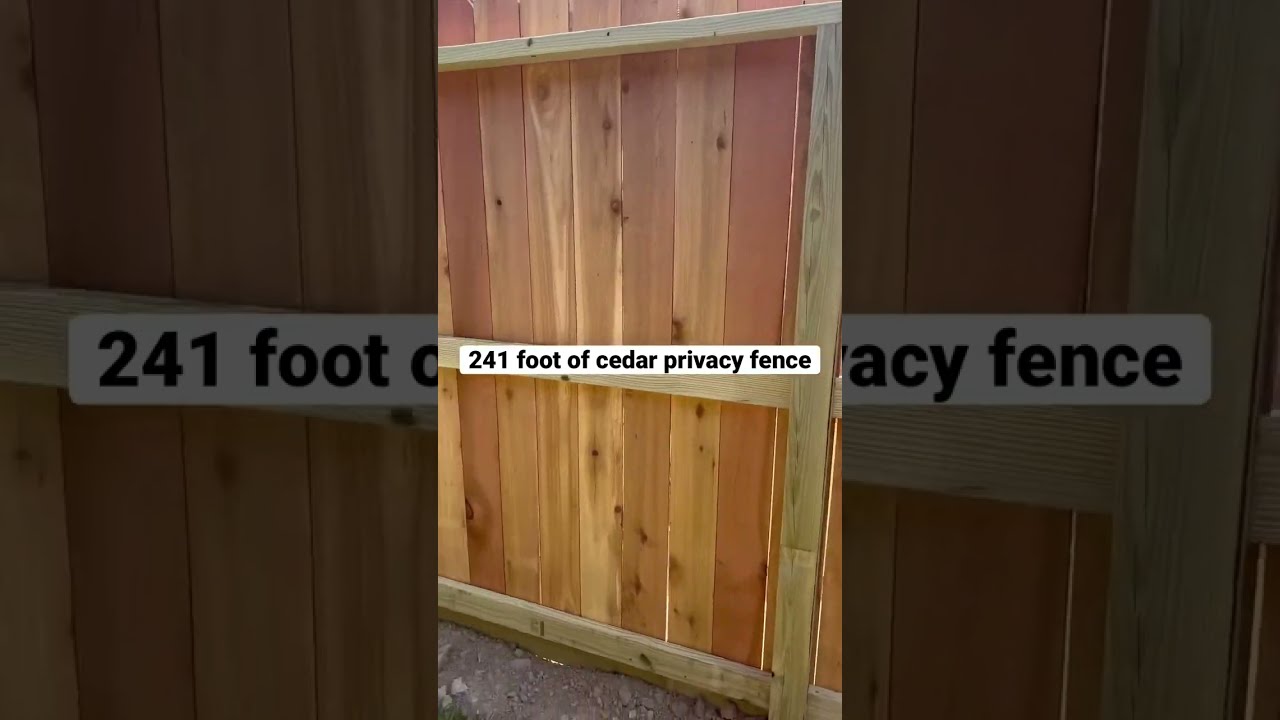
Not all wood installs the same. Cedar boards are lighter. Pressure treated pine has more weight. That affects installation speed.

Moisture in the wood also matters. New boards can shrink after installation. That spacing decision shows up later.
Common Wood Options and Installation Notes
- Cedar fencing installs cleanly but costs more. Treated pine is affordable but needs care. Redwood fencing has a premium look but availability can be limited.
Finishing Touches: What People Forget
After the fence is up, many homeowners think the job is done. That is only partly true.
Sealing or staining is often postponed. Weather do not wait. The faster the wood is protected, the better it holds up.
One small aside. Always recheck gates after a few weeks. Wood shifts. Hinges need tweaks.
Wrapping It Up
Installing a wood fence is not about perfection. It is about solid preparation, proper post placement, and respecting the site.
Wood fencing stays popular because it adapts. It forgives small mistakes. But it also reflects shortcuts when they happen.
If you are planning a wood fence, take a walk around the yard, look at slopes and soil, and plan from there. That mindset makes the process smoother from start to finish.